Foldable GPS Drones Under $300: Complete 2026 Guide
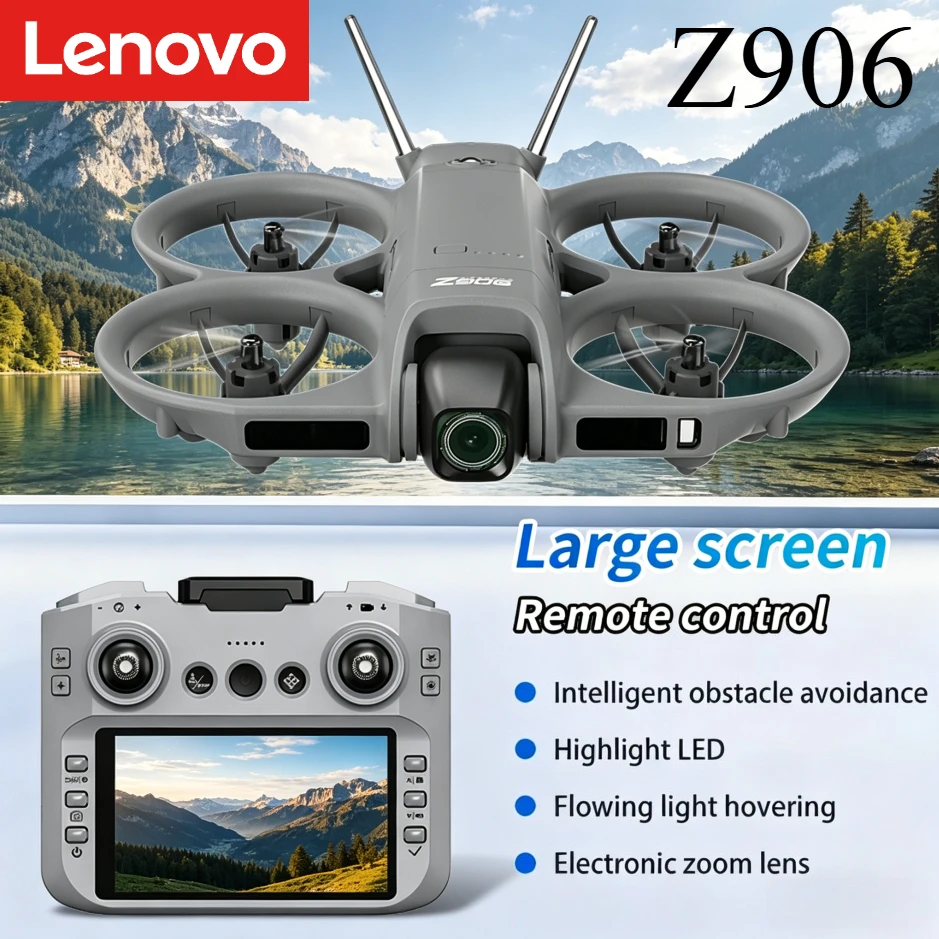
A pocket-sized drone that follows you, avoids obstacles and shoots 4K footage — for under $300. Here's how to choose the right foldable GPS drone.
Foldable GPS Drones Under $300: Complete 2026 Guide
Foldable GPS drones are the sweet spot of consumer drones in 2026 — small enough to fit in a jacket pocket, smart enough to hold their own position in wind, and cheap enough that a crash isn't a disaster. Here's what actually matters when you buy one.
Why GPS is the feature that matters most
A drone without GPS is a toy. A drone with GPS is a tool.
GPS unlocks:
- Return-to-home — press one button (or lose signal) and the drone flies back to takeoff.
- Position hold — the drone locks its exact 3D position instead of drifting in the wind.
- Follow-me and orbit modes — the drone tracks you at a set distance while you cycle, ski or film.
- Geo-fencing warnings — automatic alerts near airports and no-fly zones.
Without GPS, you're constantly correcting drift with the sticks. With GPS, you can let go and film.
What "foldable" really means
Foldable drones have arms that swing in against the body. A good foldable GPS drone should:
- Fit in a coat pocket or small day bag (unfolded footprint doesn't matter)
- Deploy in under 10 seconds without tools
- Use quick-release propellers so you don't need to unscrew anything
Camera specs, decoded
- 4K real — the sensor captures 4K natively. Great footage.
- 4K upscaled from 2.7K — marketing. Still fine for social, not for cinema.
- 8K — almost always upscaled at this price point, but the upscaling in 2026 models is genuinely usable for stills.
- Gimbal — a mechanical 2-axis or 3-axis gimbal is worth far more than a higher megapixel count. It's the difference between smooth cinematic footage and jelly-wobble.
Range, battery, and the "5G" claim
- Range — treat manufacturer claims as best-case in an empty field. Halve them for real urban use.
- Flight time — 20–25 minutes per battery is normal. Always buy a second battery.
- "5G Wi-Fi" just means 5 GHz Wi-Fi (not cellular). It gives you a cleaner video feed than 2.4 GHz in crowded areas.
Obstacle avoidance
At this price, obstacle avoidance is usually infrared or basic vision-based — good enough to stop you flying into a wall at cruise speed, not good enough to weave through trees. Treat it as a safety net, not autopilot.
Beginner checklist
- Register the drone if your country requires it (US: FAA if 250 g+; EU: EASA class marking).
- Update firmware before the first flight.
- Do the first flight in a large open field, GPS locked, at low altitude.
- Never fly out of visual line of sight.
- Keep the second battery charged and warm in cold weather.
Our value pick
The Lenovo Z906 4K/8K GPS Foldable Drone on Global Shopping Hub covers all the essentials:
- Full GPS with return-to-home and position hold
- Foldable arms and quick-release props
- 4K native camera, 8K photo mode
- Obstacle avoidance and brushless motors
- 5 GHz video transmission
Check current price and battery bundles →
FAQ
Do I need a license for a foldable GPS drone? Depends on where you fly and the drone's weight. Under 250 g typically has the lightest requirements; 250 g and up usually needs registration. Always check your country's aviation authority.
Can beginners fly a GPS drone? Yes — GPS drones are much easier for beginners than non-GPS models, because the drone holds position while you learn the sticks.
Is 8K worth it over 4K at this price? For video, no. For still photos where you crop later, yes. Buy for the gimbal quality first, resolution second.
Related reads: Leopard Print Sneakers Guide · Nordic Dining Table Guide