Energy & fatigue · English guide
Best Supplement for Energy: Why the Answer Is in Your Mitochondria
If coffee stopped working and sleep does not restore you, the problem is not stimulation — it is cellular energy production. Here is what actually helps.
Searches for "best supplement for energy" usually come from the same experience: you sleep enough, you drink the coffee, and by mid-afternoon you are still running on empty. That kind of tiredness is not a stimulation problem — and no stimulant will fix it.
Stimulation vs. production: two different problems
Caffeine works by blocking adenosine, the signal that tells your brain you are tired. It produces zero energy. When the effect wears off, the tiredness returns — often louder. Real, lasting energy is produced inside the mitochondria, the structures in every cell that convert food into ATP. When their number and efficiency decline with age, stress and poor sleep, you feel it as heavy legs, brain fog and afternoons that end the day early.
What a natural energy booster actually does
The natural energy boosters with the best evidence work on the production side, not the signalling side:
- CoQ10 — a core component of the mitochondrial electron transport chain that makes ATP
- PQQ — studied for its role in the formation of new mitochondria (mitochondrial biogenesis)
- B-complex vitamins — the cofactors the energy cycle cannot run without; deficiency shows up as fatigue first
- Magnesium — required for ATP to become usable; one of the most common shortfalls in modern diets
- Acetyl-L-carnitine — transports fatty acids into the mitochondria to be burned
- Vitamin D — not a stimulant, but correcting a deficiency frequently resolves unexplained tiredness
- Adaptogens such as ginseng and rhodiola — support a normal stress response so cortisol stops draining the system
Why we point to Advanced Mitochondrial Formula
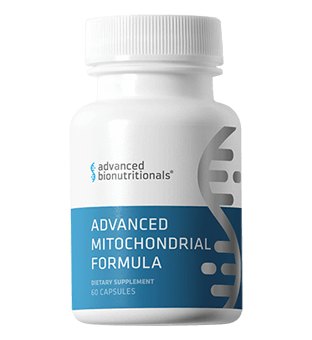
Advanced Mitochondrial Formula combines this exact category of nutrients — the ones used in mitochondrial energy production and in protecting the cell's power plants from oxidative stress — in one formula. Because it works on capacity rather than alertness, the effect builds over weeks: steadier energy through the afternoon, clearer thinking, better tolerance of exertion. No jitters, no crash, no dependence.
What to fix alongside it
No supplement outperforms the basics that feed it: protein at breakfast to stabilise blood sugar, daylight and movement in the morning to anchor the body clock, and consistent sleep timing. With those in place, a mitochondrial formula has the raw material it needs to work.
Frequently asked
- What is the best supplement for energy?
- For deep, lasting tiredness, the best-supported options are nutrients involved in cellular energy production: CoQ10, PQQ, B vitamins, magnesium and acetyl-L-carnitine. They support the mitochondria that make ATP, instead of stimulating the nervous system like caffeine does. Advanced Mitochondrial Formula combines this category of nutrients in one product.
- What vitamins give you energy?
- The B-complex vitamins — especially B12, B6, folate, riboflavin (B2) and niacin (B3) — are the cofactors the energy-production cycle literally cannot run without. Vitamin D deficiency is also strongly associated with fatigue, which is why correcting low vitamin D often improves energy within weeks.
- Does vitamin D give you energy?
- Vitamin D is not a stimulant, but low levels are consistently linked with fatigue and low mood. People who are deficient often notice a real improvement in daytime energy once levels are corrected; people with normal levels notice little. A blood test is the reliable way to know which group you are in.
- Why am I always tired even though I sleep enough?
- When sleep does not restore energy, the cause is usually below the surface: mitochondrial function declining with age, unstable blood sugar through the day, chronic stress keeping cortisol elevated, iron or B12 deficiency, or an underactive thyroid. A stimulant masks this; it does not fix it.
- Are natural energy boosters better than caffeine?
- They solve a different problem. Caffeine blocks the tiredness signal for a few hours and then lets it return. Natural energy boosters — mitochondrial nutrients, adaptogens, blood-sugar stabilisers — work on the capacity to produce energy, so the effect builds over weeks and does not come with a crash or jitters.
- How long does a mitochondrial supplement take to work?
- Because it works on cellular capacity rather than alertness, expect the effect to build over 2 to 6 weeks of consistent use: steadier afternoon energy first, then clearer thinking and better exercise tolerance. It is a rebuild, not a switch.
Lasting energy is not something you borrow from caffeine. It is something you rebuild in the cell.
Note: the official ordering page shows the current price, shipping and guarantee terms. Food supplements do not replace a balanced diet or medical treatment. If fatigue is persistent or unexplained, rule out iron, B12, vitamin D and thyroid causes with your doctor.